
Multan (Punjab) Pakistan
Basic Information
Multan (Punjab) Pakistan
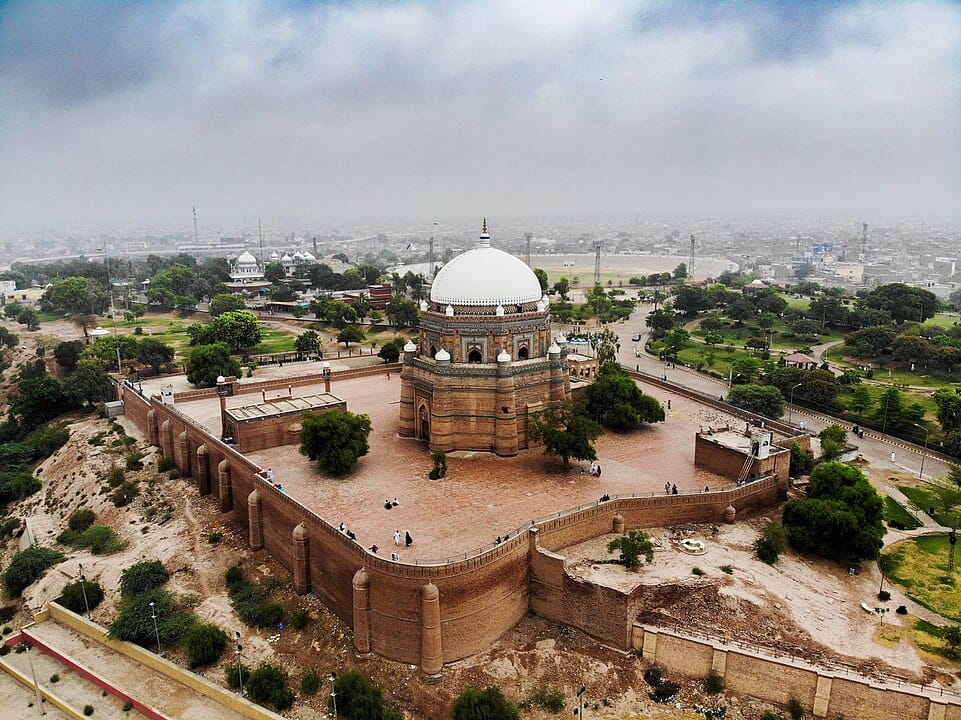
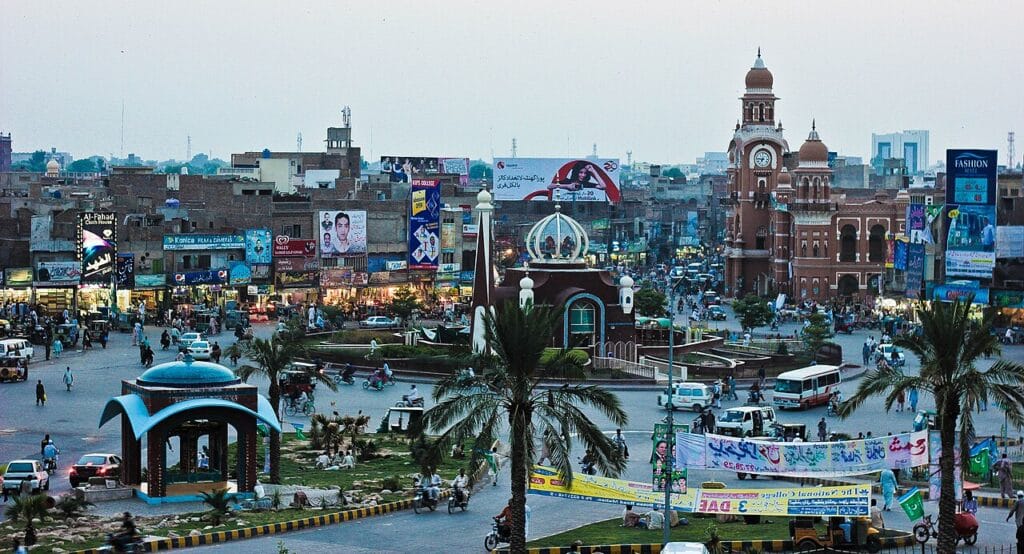
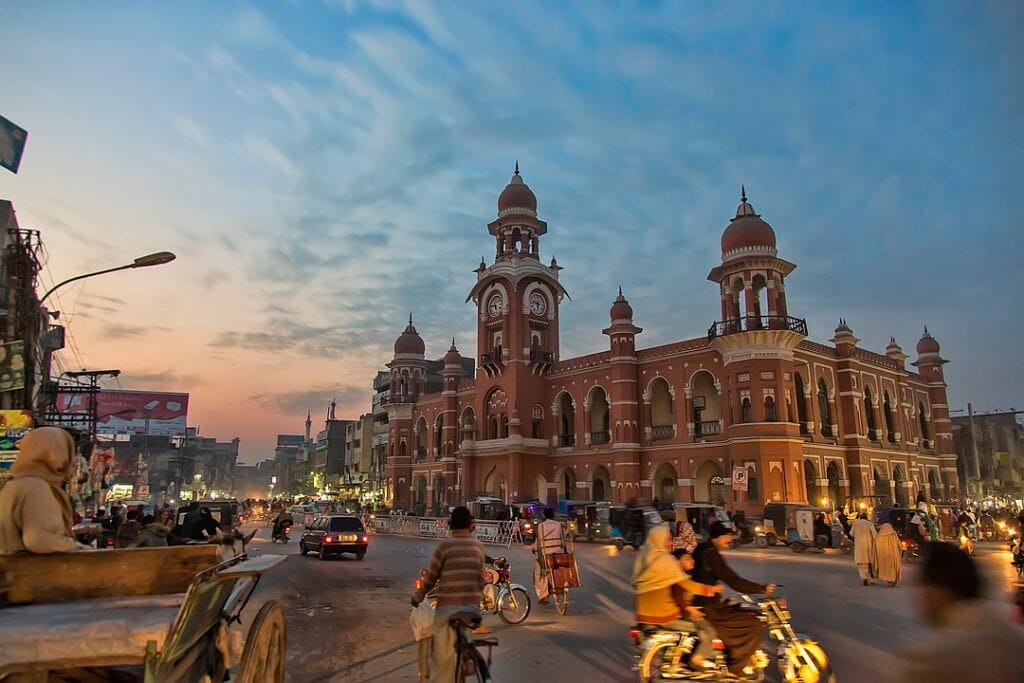
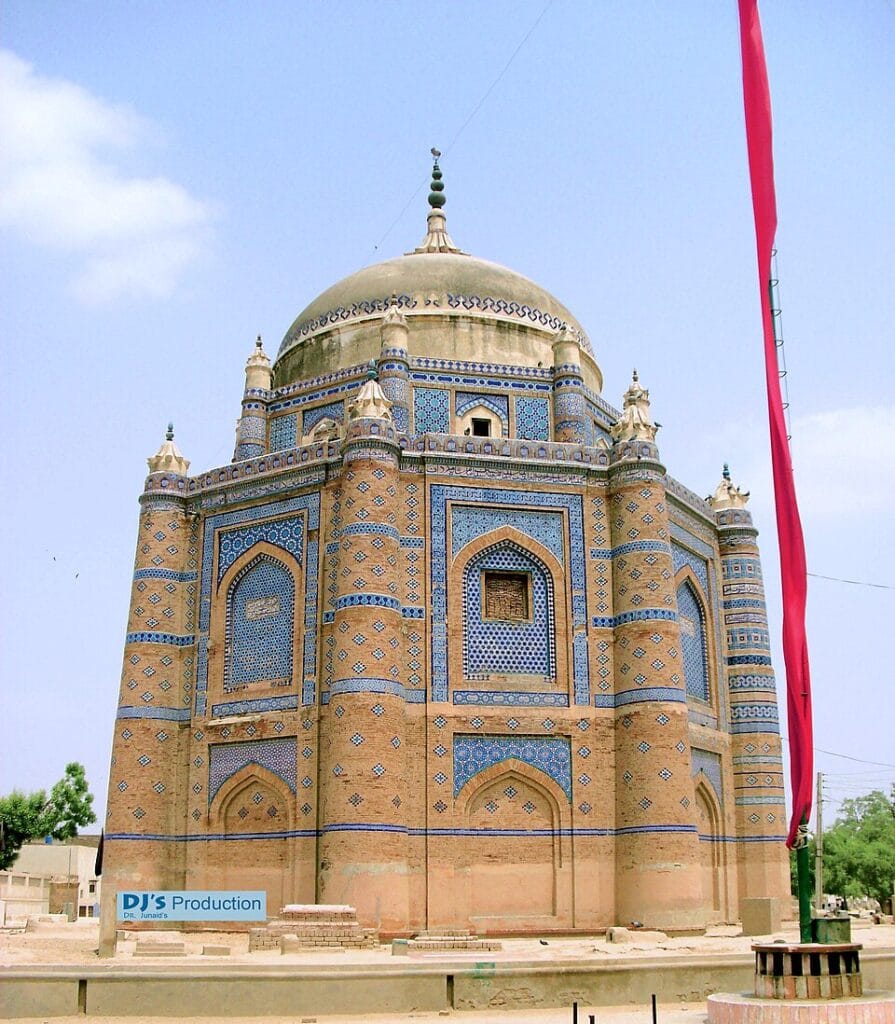
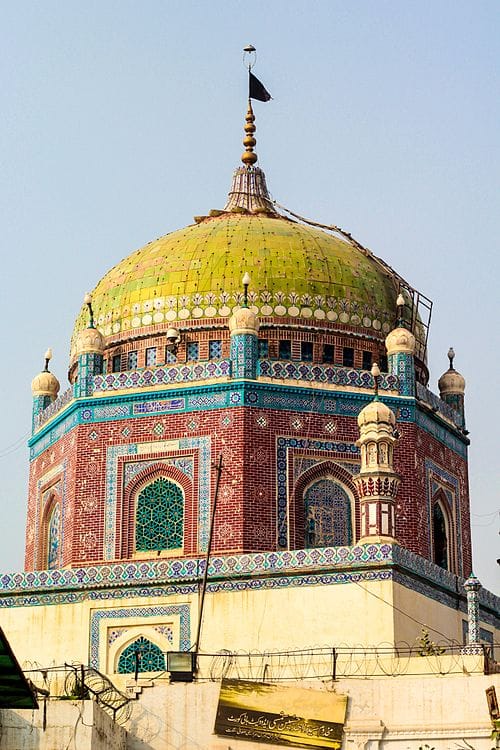
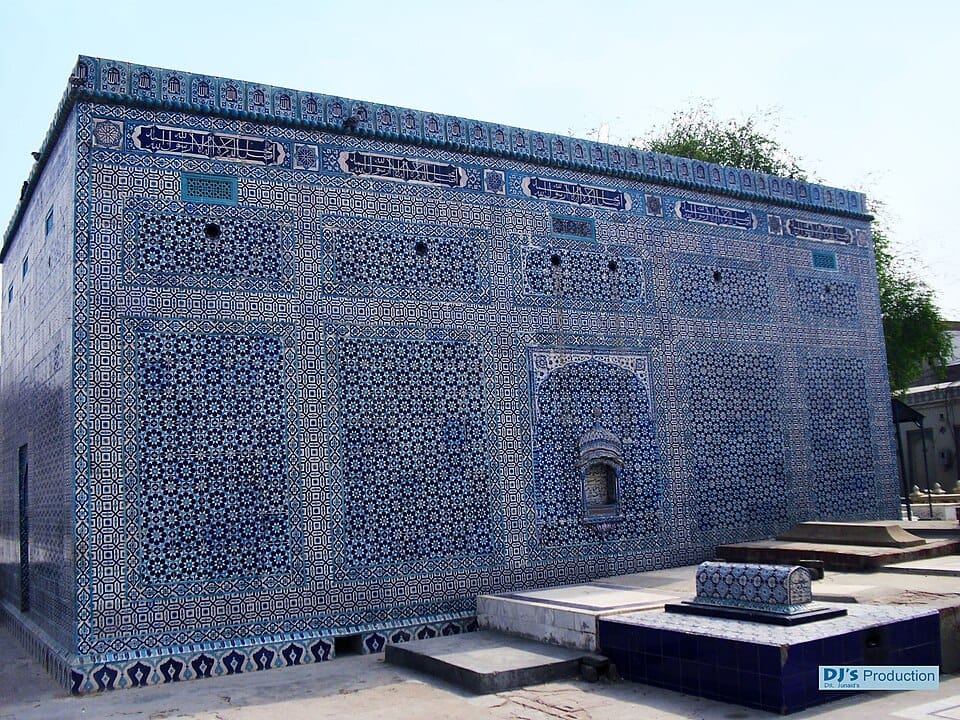
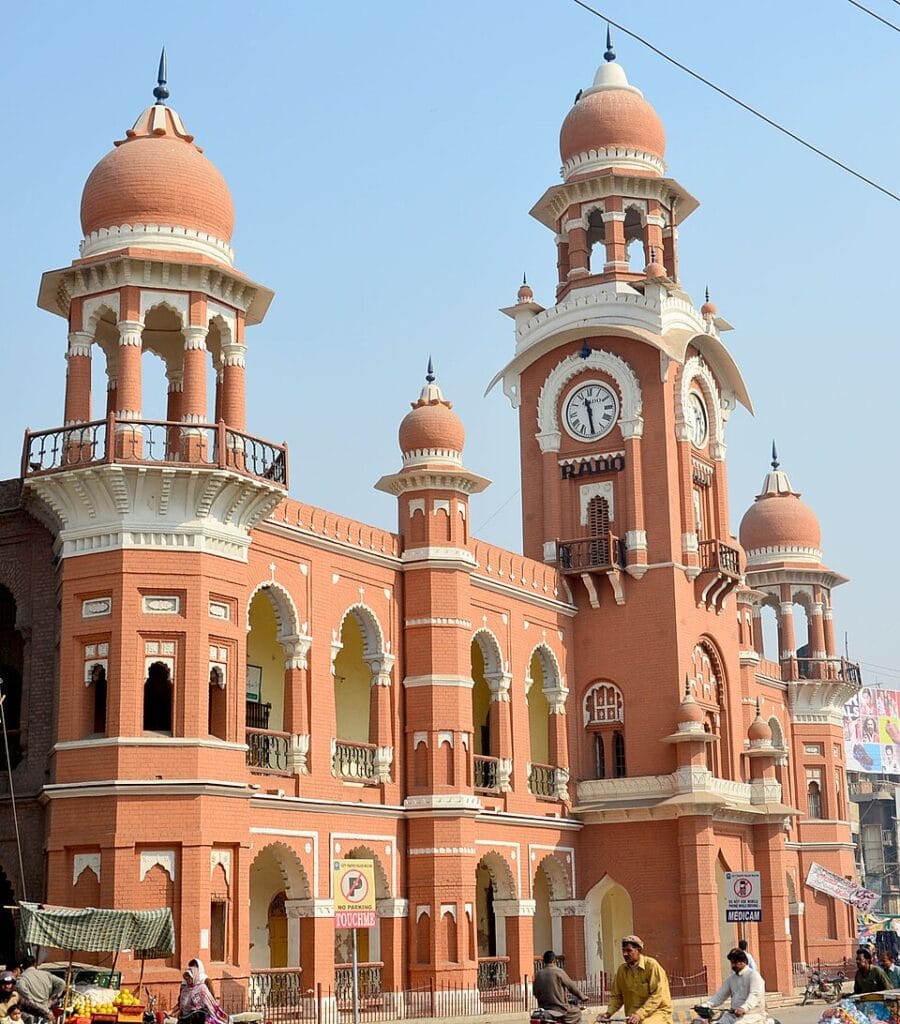
Multan is one of the oldest continuously inhabited cities and urban destinations in Pakistan, located in the Punjab province. Known as the “City of Saints,” Multan is famous for its spiritual heritage, historic shrines, traditional craftsmanship, and rich cultural history.
The city is a major center of Sufi culture and attracts pilgrims, historians, and tourists from around the world who seek spiritual experiences and cultural exploration.
🌆 Why Visit Multan?
Historic Sufi shrines and spiritual sites
Ancient architecture and forts
Rich local traditions and handicrafts
Famous Multani blue pottery and embroidery
Unique regional cuisine
📍 Popular Attractions in Multan
🕌 Cultural Significance
Multan represents the deep spiritual roots of Pakistan. Its Sufi traditions promote peace, tolerance, and devotion, reflected in the city’s music, poetry, festivals, and religious gatherings.
🧭 Ideal For
Spiritual tourists, history lovers, cultural explorers, photographers, and researchers.
Address Details
Attributes
Multan has a history dating back over 2,000 years and has been an important center of trade, culture, and religion throughout various empires, including the Greeks, Kushans, Arabs, Mughals, and British.
Multan was part of the Achaemenid Empire in the early 6th century BC. The ancient city was besieged by Alexander the Great during the Mallian campaign. Later it was conquered by the Umayyad military commander Muhammad bin Qasim in 712 CE after the conquest of Sindh. In the 9th century, it became capital of the Emirate of Multan. The region came under the rule of Ghaznavid and the Delhi Sultanates in the medieval period. In 1445, it became capital of Langah Sultanate. Multan Subah was one of the largest provinces of the Mughal Empire. The Sikhs ruled over Multan from 1818 till 1849 when it was conquered by the British and made part of the British Punjab.
The city gained prominence as a hub of Sufism, with many saints settling here and spreading Islamic teachings, which shaped Multan’s spiritual identity.
Media
Food Street D Ground Faisalabad
- Easy
- Faisalabad
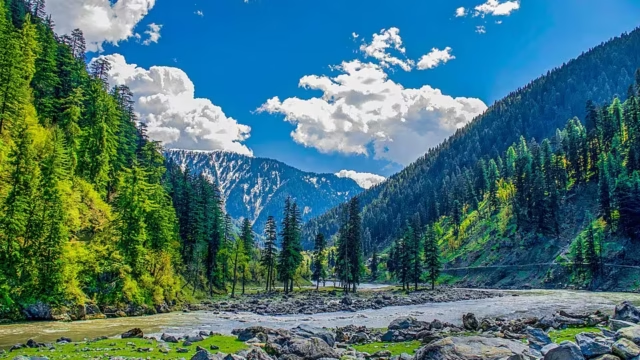

Neelum Valley
- Moderate
- Muzaffarabad
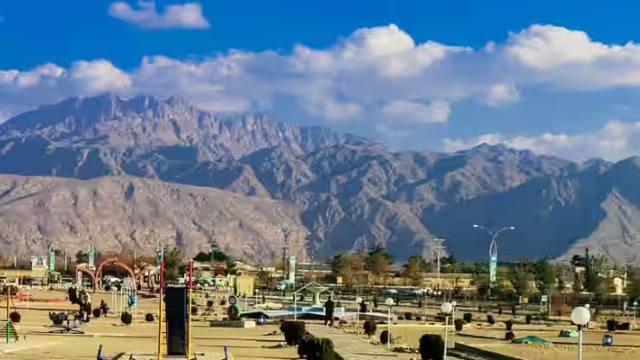
Liaquat Bazaar
- Easy
- Quetta
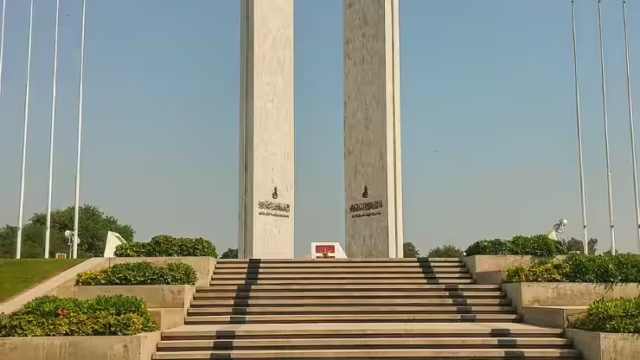
Nanakpura / GT Road
- Easy
- Gujranwala
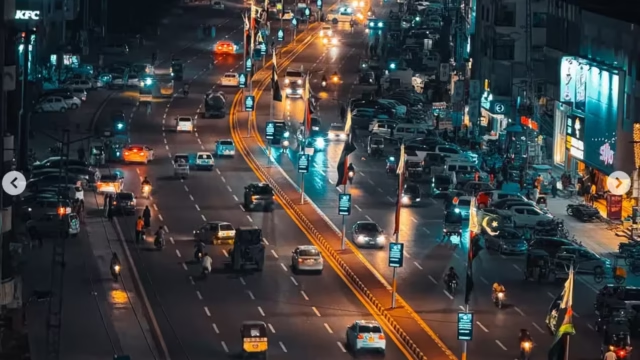
Autobahn Road Food Street
- Easy
- Hyderabad

University Road Food Street
- Easy
- Peshawar
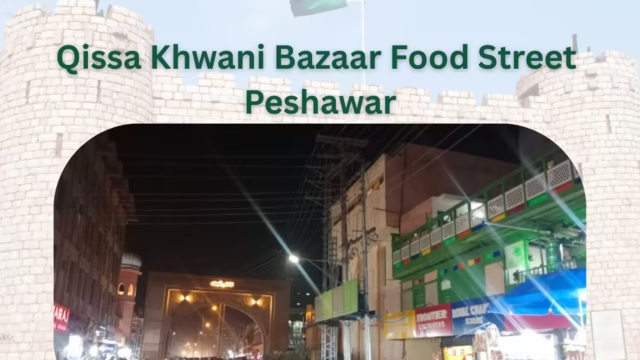
Qissa Khwani Bazaar
- Easy
- Peshawar

Namaksar Food Street
- Easy
- Peshawar

Kartarpura Food Street
- Easy
- Rawalpindi
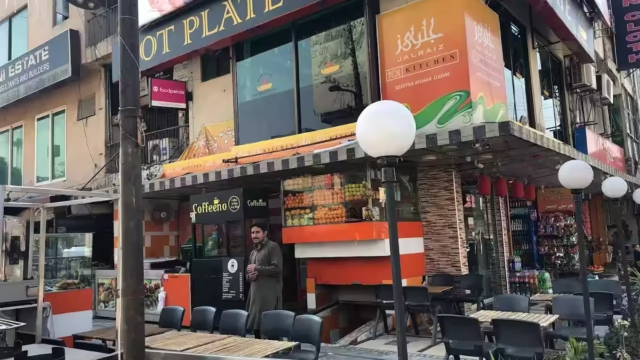
Double Road Food Street
- Easy
- Islamabad
Explore more trusted local businesses.
Login to Write Your ReviewThere are no reviews yet.